Liposuction in Dubai
Most explanations of Liposuction in Dubai stop at the moment fat leaves the body. What happens next gets far less attention, even though for a meaningful number of patients, that removed fat doesn’t simply get discarded. It gets purified and reinjected elsewhere on the body, most commonly the buttocks, sometimes the breasts or face, turning a single procedure into two distinct surgical goals at once.
This article covers how that combined process actually works, why the safety conversation around it deserves more attention than it usually gets, and who’s genuinely a good candidate for it.
Liposuction Doesn’t Have to End With Discarded Fat
The Two-Step Process: Harvest, Then Transfer
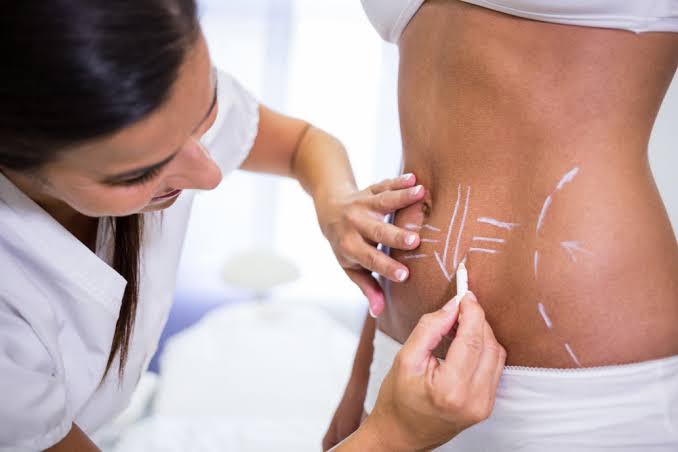
Combined liposuction in Dubai and fat transfer procedures work in two distinct stages performed within the same surgery. First, fat is removed through standard liposuction technique from donor areas, commonly the abdomen, flanks, or thighs, exactly as it would be for contouring alone. That fat is then carefully purified to separate viable fat cells from blood, fluid, and damaged tissue, before being reinjected in small, precise amounts into the target area, most often the buttocks in what’s commonly called a Brazilian Butt Lift, though the same underlying technique applies to fat grafting in the breasts or face as well.
Why Not All Removed Fat Can Be Reused
Not every unit of fat removed during liposuction survives the purification and reinjection process in usable condition, and a surgeon working with a combined procedure needs to account for this from the outset. Fat harvested too aggressively, or damaged during the suction process itself, has a lower chance of surviving transfer, which is part of why gentler harvesting technique matters more in a combined procedure than it might in liposuction performed purely for contouring, where the removed fat’s condition afterward is irrelevant.
Fat Survival Is a Realistic Percentage, Not a Guarantee
What Determines How Much Fat Actually Takes
Once fat is reinjected, it needs to establish a new blood supply in its new location to survive long-term, and not all of it does. Research generally places long-term fat survival somewhere between fifty and eighty percent, meaning a meaningful portion of the transferred volume is expected to be reabsorbed by the body over the following months, regardless of how skilled the surgeon is. This is a detail that needs to be discussed clearly before surgery, since a patient expecting the full injected volume to remain permanently is being set up for disappointment through no fault of the procedure itself, simply a misunderstanding of how fat grafting biology actually works.
Why Overfilling Backfires
Because some fat loss is expected, there’s a temptation to inject more than a target area can realistically support, hoping to compensate for anticipated reabsorption. This approach tends to backfire, since transferred fat needs adequate blood supply to survive, and overfilling an area beyond what its local blood supply can support increases the portion of fat that dies rather than integrates, sometimes creating firm, uneven lumps under the skin rather than the smoother result intended. A surgeon recommending a more conservative initial volume, with the option of a second session later if needed, is generally working with the biology of fat survival rather than against it.
The Safety Principle That Actually Matters Most
Where the Historical Risk Came From
This is the section of this topic that deserves the most direct, honest treatment, since fat transfer to the buttocks specifically carries a safety history worth understanding clearly. Serious complications have historically been linked to fat being injected too deeply, into or beneath the gluteal muscle, where large blood vessels are located. When fat enters one of these vessels, it can travel to the lungs and cause a fat embolism, a rare but life-threatening complication that drove a period of considerably elevated risk for this specific procedure in earlier years.
How Modern Technique Reduces It
International plastic surgery safety bodies have since issued clear guidance in response: fat should only be injected into the subcutaneous layer, just beneath the skin, never into or below the muscle itself. Surgeons following this protocol position patients and plan injection paths specifically to avoid deeper muscle planes, and this single technical adjustment has meaningfully reduced the most serious risk associated with this procedure. Before proceeding with any combined liposuction and fat transfer procedure, it’s entirely reasonable to ask your surgeon directly how they approach injection depth and what specific safety protocol they follow, since this detail matters more to your safety than almost anything else about the procedure.
Staging: When One Session Isn’t Enough
For patients wanting a more significant transformation than their available donor fat and the target area’s safe capacity can achieve in a single session, a staged approach, spreading the transfer across two separate procedures months apart, is often the more responsible path than attempting to inject an unsafe volume all at once. This takes longer and costs more overall, but it respects the biological and safety limits discussed above rather than pushing past them for a faster result. A surgeon willing to recommend staging when it’s genuinely the safer path, even though it means a longer overall process, is prioritizing your outcome over convenience.
Who’s a Realistic Candidate for Combined Liposuction and Fat Transfer
This combined approach works best for patients who have enough donor fat available in areas like the abdomen, flanks, or thighs to make transfer worthwhile, since very lean patients may not have sufficient fat volume to achieve a meaningful result in the target area. It’s also worth being realistic about goals: this procedure reshapes and adds volume using your own tissue, which tends to produce a softer, more natural result than an implant-based alternative, but it cannot achieve the same degree of dramatic volume increase that a larger implant might, particularly for patients with limited donor fat to work with. A surgeon should walk through these tradeoffs honestly during consultation rather than promising a specific look without first assessing whether your own anatomy can realistically support it.
Why Choose Dr. Jaffer Khan
Dr. Jaffer Khan’s approach to combined liposuction and fat transfer follows subcutaneous-only injection protocol as a firm safety standard, positioning and planning each procedure specifically to avoid deeper muscle planes where the most serious risks originate. As a board-certified plastic surgeon and the first regional surgeon to pass the specialty fellowship examination of the Joint Royal Colleges, his approach to fat harvesting prioritizes gentler technique specifically to preserve fat cell viability for transfer, rather than treating removal speed as the primary goal. Where a patient’s donor fat supply or aesthetic goals suggest a staged approach would produce a safer, better result than a single aggressive session, this is discussed directly during consultation rather than defaulting to whatever can be completed in one visit. Every combined procedure takes place in an accredited surgical facility equipped for the full scope of a longer, more complex operation under general anesthesia.
Frequently Asked Questions
Will all the transferred fat stay permanently? No. Long-term fat survival typically falls somewhere between fifty and eighty percent, meaning some of the transferred volume is expected to be reabsorbed by the body over the following months.
Is fat transfer to the buttocks safe? When performed with strict subcutaneous-only injection technique, avoiding the deeper muscle layer, current safety protocols have meaningfully reduced the most serious historical risks associated with this procedure.
Can I get a bigger result by asking for more fat to be injected? Not safely. The target area’s blood supply limits how much transferred fat can actually survive, and overfilling beyond that capacity increases the risk of fat death and uneven results rather than producing a bigger, lasting outcome.
What if I don’t have enough donor fat for the result I want? This is worth discussing honestly during consultation. Very lean patients may need to consider a staged approach, a more modest goal, or an alternative procedure if donor fat is genuinely insufficient for the desired outcome.