Physical rehabilitation plays an important role in helping individuals recover mobility, improve physical function, and manage movement-related difficulties. Whether someone is recovering from an injury, dealing with persistent discomfort, or rebuilding strength after surgery, physiotherapy can support a structured approach to recovery. Choosing a suitable Physiotherapy Clinic Dubai can help individuals explore treatment options based on their physical condition, recovery goals, and functional needs.
At Vitruvian Physio Center, comprehensive physical rehabilitation focuses on understanding individual concerns and developing appropriate care plans. Through professional assessment, guided exercises, and targeted rehabilitation techniques, physiotherapy aims to improve movement, restore functional abilities, and support a gradual return to everyday activities.
Understanding Comprehensive Physical Rehabilitation
Physical rehabilitation involves therapeutic approaches designed to improve movement, strength, flexibility, balance, and coordination. It may be recommended for individuals experiencing musculoskeletal injuries, post-surgical limitations, mobility difficulties, or certain neurological conditions.
The rehabilitation process usually begins with an assessment of symptoms, movement patterns, strength, flexibility, and functional limitations. This information helps a physiotherapist identify relevant treatment priorities and establish realistic recovery objectives.
At Vitruvian Physio Center, an individualized rehabilitation approach can help patients understand their physical challenges and work toward improving their daily function through suitable therapeutic interventions.
The Role of a Best Physiotherapist Dubai in Recovery
Working with a qualified physiotherapist can help individuals follow a structured rehabilitation plan that reflects their condition and progress. A physiotherapist evaluates movement difficulties, identifies areas requiring attention, and recommends exercises or techniques intended to address specific functional limitations.
When considering a Best Physiotherapist Dubai, patients should look for appropriate professional qualifications, relevant clinical experience, clear communication, and an individualized approach to treatment.
Effective rehabilitation also involves patient participation. Following recommended exercises, attending scheduled sessions, and communicating changes in symptoms can help the physiotherapist adjust the treatment plan when necessary.
Common Conditions Addressed Through Physiotherapy
Physiotherapy may support rehabilitation for a variety of conditions, depending on an individual’s clinical needs and assessment findings.
Musculoskeletal Injuries
Muscle strains, ligament injuries, joint stiffness, and other musculoskeletal problems can interfere with everyday movement. Physiotherapy may involve graded exercises, mobility training, strengthening activities, and other appropriate techniques to improve function.
Treatment is adjusted according to the injury, the stage of recovery, and the individual’s tolerance for physical activity.
Post-Surgical Rehabilitation
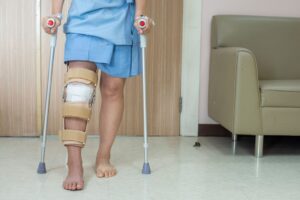
Following certain surgical procedures, patients may experience reduced strength, limited joint movement, swelling, or difficulty performing routine activities. A structured rehabilitation programme can help restore movement and rebuild functional capacity.
The timing and intensity of physiotherapy depend on the procedure performed and the surgeon’s recommendations. Progression should be gradual and consistent with any post-operative restrictions.
Back and Neck Discomfort
Back and neck discomfort can affect posture, sleep, work, and general mobility. Physiotherapy may include movement assessment, therapeutic exercises, posture education, and strategies for managing activities that aggravate symptoms.
Persistent or severe pain requires appropriate medical evaluation, particularly when accompanied by symptoms such as progressive weakness, numbness, or other concerning changes.
Sports-Related Injuries
Athletes and physically active individuals may benefit from rehabilitation after sprains, muscle injuries, and other sports-related conditions. Treatment may focus on restoring strength, improving coordination, and gradually rebuilding the ability to perform sport-specific movements.
A carefully planned return-to-sport programme can help ensure that recovery milestones are considered before more demanding activities resume.
Personalized Treatment Planning
Every patient has different physical needs, recovery expectations, and activity requirements. Personalized treatment planning considers these differences when selecting suitable rehabilitation techniques and setting measurable goals.
An initial assessment may evaluate joint mobility, muscle strength, balance, posture, movement quality, and the ability to complete daily tasks. The physiotherapist can then identify priorities and recommend an appropriate treatment schedule.
At Vitruvian Physio Center, individualized rehabilitation planning can help patients focus on their particular challenges rather than following a generic exercise routine. Treatment recommendations should be reviewed regularly to reflect changes in symptoms, function, and recovery progress.
Therapeutic Exercises and Mobility Training
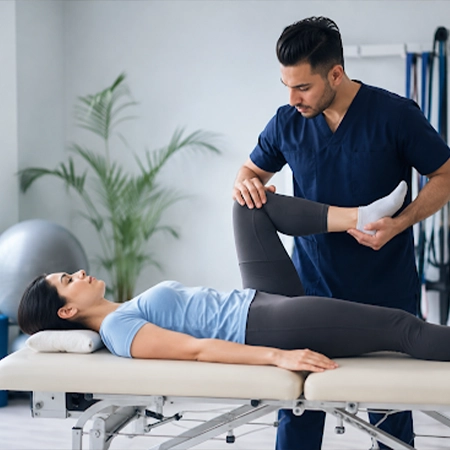
Therapeutic exercises are an important part of many physiotherapy programmes. Depending on the patient’s condition, these may include stretching, strengthening exercises, balance training, coordination activities, and functional movement practice.
Mobility exercises can help improve the ability to move joints comfortably, while strengthening activities support muscle function and stability. Balance and coordination exercises may be useful for individuals experiencing difficulties with movement control or stability.
Exercises should be selected according to the patient’s abilities and progressed gradually. Performing activities incorrectly or advancing too quickly may aggravate symptoms, so professional guidance is valuable when learning new rehabilitation techniques.
Improving Everyday Functional Independence
A central goal of comprehensive rehabilitation is helping individuals manage everyday activities more comfortably and confidently. These activities may include walking, climbing stairs, sitting, standing, lifting objects, or completing work-related tasks.
Functional training focuses on movements that are relevant to a patient’s daily routine. By gradually practising appropriate activities, individuals can work toward improving coordination, endurance, strength, and movement confidence.
Recovery timelines differ according to the underlying condition, overall health, treatment consistency, and other individual factors. Some patients may notice improvements relatively quickly, while others require a longer period of rehabilitation and monitoring.
Preventing Future Injuries Through Rehabilitation
Physiotherapy can also help individuals understand factors that may contribute to recurring injuries or movement difficulties. Education about body mechanics, exercise technique, activity modification, and appropriate conditioning can support safer movement habits.
Preventive strategies may include strengthening muscles that support vulnerable joints, improving flexibility where needed, and increasing physical activity gradually. Workplace ergonomics and sport-specific conditioning may also be relevant for certain individuals.
Although rehabilitation can help address modifiable risk factors, it cannot eliminate every possibility of future injury. Ongoing attention to physical conditioning and appropriate responses to new symptoms remain important.
Frequently Asked Questions
What does comprehensive physical rehabilitation involve?
Comprehensive physical rehabilitation may include physical assessment, therapeutic exercises, mobility training, strengthening, balance activities, and education. The exact approach depends on the individual’s condition and recovery goals.
How long does physiotherapy take to produce results?
Recovery varies according to the condition, its severity, general health, and treatment consistency. A physiotherapist can help establish realistic milestones and review progress throughout the rehabilitation process.
Is physiotherapy useful after surgery?
Physiotherapy can be beneficial after many surgical procedures when recommended by the treating medical team. Rehabilitation should follow the relevant post-operative instructions and progress according to individual recovery needs.
How can I choose a suitable physiotherapy clinic in Dubai?
Consider professional qualifications, clinical experience, treatment planning, communication, and whether the clinic can address your particular rehabilitation needs. An initial consultation can help clarify the recommended approach and expected recovery goals.
Can physiotherapy help prevent recurring injuries?
Physiotherapy may help improve strength, mobility, movement control, and awareness of relevant injury risk factors. However, results depend on the underlying condition and individual circumstances, and future injuries cannot always be prevented.
Conclusion
Comprehensive physical rehabilitation can help individuals address movement limitations, rebuild strength, improve mobility, and work toward greater independence in daily activities. Professional assessment and personalized treatment planning are important for selecting appropriate interventions and monitoring recovery.
Vitruvian Physio Center provides an opportunity for individuals to explore physiotherapy options aligned with their physical needs and rehabilitation goals. With suitable professional guidance, consistent participation, and realistic expectations, physiotherapy can form an important part of a structured recovery journey.