contrast therapy
Recovery technology is crowded, and two names come up again and again: hyperbaric oxygen therapy and contrast therapy. Both are marketed for recovery and wellness, and both involve specialized equipment. But they work in entirely different ways, carry different risks and rest on very different evidence.
This guide compares them side by side: how each works, what the evidence says, how practical they are at home, which goals suit which and how to approach combining them sensibly. It’s general information, not medical advice.
How Each Approach Works
Hyperbaric oxygen therapy involves breathing oxygen at higher-than-normal pressure inside a sealed chamber. The pressure increases how much oxygen dissolves in blood plasma, which is the rationale for its medical uses.
Contrast therapy uses temperature instead. You alternate heat, such as a sauna, with cold, such as a cold plunge, or use a device that applies hot and cold to a specific joint. The experience is about thermal stress, circulation and sensation rather than oxygen delivery.
The mechanisms don’t overlap, so the two aren’t substitutes. Choosing between them means choosing different tools for different goals.
What Does the Evidence Say?
HBOT has well-established medical uses in specific, supervised situations, such as decompression sickness, carbon monoxide poisoning and certain non-healing wounds. For wellness and athletic recovery claims, evidence is limited and mixed.
Contrast therapy has no formal medical indications. Studies suggest that contrast water immersion may reduce perceived soreness for some people, but the benefit over simple cold exposure is unclear, and research quality varies. Observational research on sauna use points to possible health associations, though it can’t prove cause and effect.
In short, HBOT has stronger evidence in narrow medical contexts, while contrast therapy has modest, general-purpose support. Neither is a cure-all, and claims that treat either as one should raise suspicion.
Practicalities: Cost, Space, Risk and Supervision
HBOT chambers typically need professional guidance, careful installation and attention to oxygen safety and fire risk. Medical-grade treatment takes place in clinics, and home chambers carry their own regulatory and safety questions.
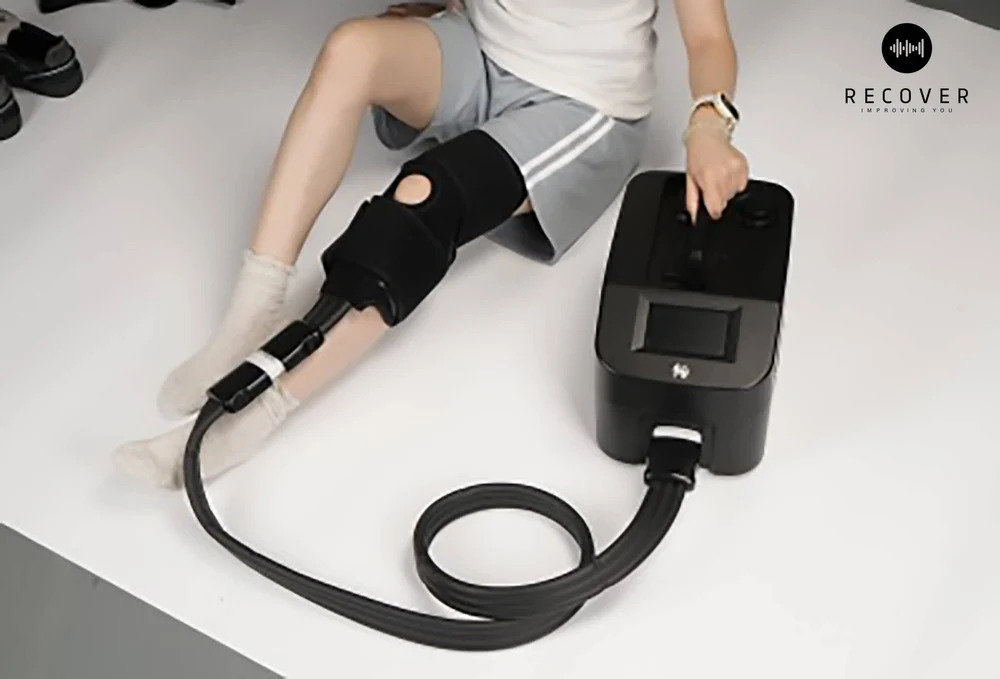
Contrast therapy equipment is simpler. A sauna and cold plunge need space, power, water care and maintenance, but the risks, such as overheating, dehydration or cold shock, are more familiar and manageable with good habits. Some options are portable, such as hot and cold compression units.
Costs differ too, and both categories span a wide range. Whichever you consider, factor in installation, running costs, servicing and the likelihood you’ll use it regularly.
Which Suits Which Goal?
If you have a specific medical condition, speak to your doctor. HBOT may be relevant in some cases, and it would be delivered in a supervised setting rather than chosen from a catalogue.
If your goal is general recovery, relaxation or building a routine, contrast therapy is more accessible and easier to evaluate. It also has a lower barrier to trying, since you can start with a gym sauna and cold plunge or simple home equipment.
For targeted joint recovery after injury or surgery, a clinician or physiotherapist should guide temperature, pressure and timing. Devices that deliver hot and cold compression can play a role, but only as advised.
Can You Combine Them?
Some people use both as part of a broader recovery routine. If you do, introduce one at a time so you can tell what’s helping, keep notes on sleep, soreness and energy, and allow several weeks before judging.
Be careful about stacking stressors. Intense heat, cold and pressure exposures in one day can be too much for some people, particularly if you’re also training hard or short on sleep.
You can see how hot and cold options are packaged by browsing contrast therapy equipment in Dubai and the UAE, including a sauna and ice bath combination and a portable compression unit. Recover is one UAE retailer listing both, and its site links onward to hyperbaric products, so verify claims and ask about regulatory details for any HBOT equipment separately.
Frequently Asked Questions
Is HBOT better than contrast therapy?
They serve different purposes. HBOT has defined medical uses under supervision, while contrast therapy is a general wellness and recovery routine. Neither is better in all cases.
Which has more evidence?
HBOT has stronger evidence for specific medical conditions. For general recovery, both have limited or mixed evidence.
Can I do both in the same week?
Many people do, but introduce them gradually and watch how you feel. A doctor’s advice is wise if you have health conditions.
Which is easier to try at home?
Contrast therapy generally is, since the equipment and risks are more familiar. HBOT needs more safety planning and professional guidance.
Conclusion
Hyperbaric oxygen therapy and contrast therapy are different tools with different mechanisms, evidence and risks. HBOT suits defined medical uses under supervision, while contrast therapy is a more accessible routine for general recovery and wellness.
Match the tool to your goal, be sceptical of strong claims and involve a doctor where health conditions are involved. If you try both, add them gradually so you can judge each on its own merits.