Muscle tension, stiffness, and movement restrictions can affect how comfortably people complete their everyday activities. Whether discomfort develops after exercise, repetitive work, or extended periods of sitting, these concerns may interfere with physical performance and daily routines. Understanding available treatment approaches can help individuals explore suitable ways to address muscular discomfort and maintain an active lifestyle.
Northern Colorado Spine and Sport recognizes the importance of personalized, movement-focused care. For individuals researching dry needling Loveland, learning about this treatment technique, its potential benefits, and the role it can play in rehabilitation is a helpful starting point. With an appropriate assessment and professional guidance, patients can better understand their options and make informed decisions about their physical well-being.
Understanding Dry Needling and Its Purpose
Dry needling is a treatment technique performed by appropriately trained healthcare professionals using thin, solid needles to target selected muscles and surrounding tissues. It is commonly considered for certain musculoskeletal concerns involving muscle tenderness, tightness, and movement-related discomfort. The technique is based on anatomical and neuromuscular principles and differs from traditional acupuncture in its treatment framework and clinical purpose.
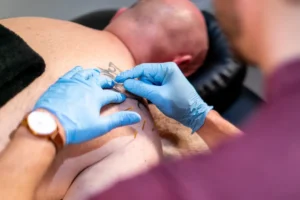
During a session, the practitioner identifies appropriate treatment areas based on the patient’s symptoms and physical assessment. A sterile, single-use needle is inserted into a selected muscle or sensitive point. Depending on the technique, a brief muscular response may occur. The purpose is to address selected muscular complaints and potentially improve comfort or movement as part of a broader rehabilitation approach.
Common Reasons People Consider Dry Needling
Muscle discomfort can develop through different physical demands and everyday habits. Repetitive movements, demanding workouts, prolonged desk work, and inadequate recovery may contribute to localized tension. Some individuals also experience muscular tenderness after sports activities or changes in their regular exercise routines.
People exploring dry needling Loveland may be interested in this approach because certain areas feel tight, sensitive, or uncomfortable during movement. A qualified healthcare professional can evaluate these concerns and determine whether dry needling is suitable. The technique is not appropriate for every condition, making an individualized assessment important before beginning treatment.
Potential Benefits of Dry Needling Treatment
Dry needling may help some individuals manage selected muscular complaints when incorporated into an appropriate care plan. Depending on the underlying concern, patients may experience temporary improvements in muscle discomfort, tenderness, or movement. Responses differ between individuals, and treatment should be considered alongside other suitable rehabilitation strategies.
Potential treatment goals may include:
- Addressing selected areas of muscle tightness and tenderness.
- Supporting more comfortable movement.
- Complementing an individualized rehabilitation program.
- Helping manage certain exercise-related muscular complaints.
- Improving tolerance for appropriate therapeutic activities.
The benefits depend on individual circumstances, the treatment technique, and the condition being addressed. Dry needling does not guarantee results or replace appropriate medical evaluation when symptoms suggest a more complex problem.
What Happens During a Dry Needling Appointment?
An appointment generally begins with a conversation about symptoms, medical history, physical activities, and personal treatment goals. The practitioner may ask when the discomfort started, which movements make it worse, and whether previous injuries or treatments are relevant. This information helps determine whether the procedure is appropriate and whether additional precautions are necessary.
If dry needling is recommended, the provider explains the procedure and identifies the treatment area. Patients may experience a brief sensation during needle insertion, localized muscle twitching, or temporary soreness afterward. Communication is important throughout the session, and individuals should tell the practitioner about discomfort or unexpected reactions.
Dry Needling for Sports and Active Lifestyles
Athletes and recreational fitness enthusiasts place different demands on their muscles depending on their preferred activities. Running, cycling, weightlifting, hiking, and team sports involve repeated movements that can contribute to muscle fatigue and localized tenderness. When discomfort develops, it may affect training consistency and make certain exercises more difficult.
Dry needling may be considered for selected muscular concerns as part of a sports rehabilitation program. However, it should not replace appropriate injury assessment, strengthening exercises, or gradual training progression. Combining suitable treatment techniques with movement education and functional exercises may help individuals work toward improved physical performance and comfortable activity.
Combining Dry Needling With Physical Therapy
Dry needling can be incorporated into a broader physical rehabilitation plan when clinically appropriate. Although the technique focuses on selected muscular structures, long-term physical function also depends on strength, flexibility, coordination, and movement control. Addressing these areas can help patients develop a more complete approach to managing physical limitations.
A rehabilitation program may include therapeutic exercises, manual techniques, mobility activities, and practical recommendations for daily movement. The combination depends on the patient’s assessment findings and treatment goals. For individuals researching dry needling Loveland, understanding how this technique fits into a wider care strategy can help establish realistic expectations.
Muscle Areas Commonly Evaluated for Dry Needling
Different muscle groups may experience tension and tenderness because of exercise demands, repetitive movements, and everyday activities. Depending on the patient’s symptoms, a practitioner may assess areas around the neck, shoulders, back, hips, or legs. The purpose of the evaluation is to identify relevant muscular concerns rather than automatically treating every area that feels uncomfortable.
Commonly discussed treatment areas include the following:
- Neck and shoulder muscles affected by repetitive activities.
- Selected lower back muscular concerns.
- Hip and gluteal muscles associated with movement discomfort.
- Calf muscles affected by exercise-related tension.
- Muscles involved in certain sports-related movement patterns.
These examples do not mean that dry needling is suitable for everyone experiencing discomfort in these regions. Treatment decisions should consider medical history, physical examination findings, and possible precautions.
Safety Considerations Before Starting Dry Needling
Dry needling should only be performed by a qualified healthcare professional with appropriate training and knowledge of anatomy. Temporary soreness, minor bleeding, bruising, and localized discomfort are possible after treatment. Although uncommon, more serious complications can occur, particularly when needling areas near sensitive anatomical structures.
Before an appointment, patients should discuss relevant medical conditions, medications, bleeding concerns, allergies, pregnancy, and previous reactions to needle-based procedures. Needling around the chest requires particular anatomical care because accidental lung injury is a recognized risk. Sudden chest pain or difficulty breathing after treatment requires immediate medical attention.
Choosing a Suitable Dry Needling Provider
Selecting a healthcare professional involves more than finding a convenient appointment. Patients should consider professional qualifications, specific dry needling training, experience with musculoskeletal concerns, and communication style. A responsible provider should explain the procedure, discuss possible side effects, and answer questions before recommending treatment.
When researching dry needling Loveland, individuals may also want to understand how the practitioner evaluates muscular complaints and whether treatment is combined with other rehabilitation methods. Northern Colorado Spine and Sport provides a starting point for exploring movement-focused care. Discussing personal goals and concerns can help determine whether the available approach matches individual needs.
Everyday Habits That Support Muscle Recovery
Daily routines can influence how muscles respond to physical demands and recovery periods. Spending extended periods in one position, increasing workout intensity too quickly, and allowing insufficient recovery may contribute to muscular discomfort. Making practical adjustments can help individuals develop a more balanced approach to physical activity.
Regular movement breaks, gradual exercise progression, comfortable working positions, and appropriate rest are useful habits to consider. Patients should follow their healthcare provider’s recommendations about activity after treatment, especially if temporary soreness develops. Paying attention to changes in symptoms can also help individuals understand when exercise modifications or further professional guidance may be necessary.
Conclusion
Dry needling is a specialized treatment technique that may help address certain muscular concerns when performed by an appropriately trained healthcare professional. Understanding its purpose, potential benefits, safety considerations, and role within rehabilitation can help individuals make informed decisions about their care. Combining suitable hands-on approaches with therapeutic exercises and practical lifestyle adjustments may support improved movement and physical function.
Northern Colorado Spine and Sport recognizes the value of individualized care for people interested in maintaining an active lifestyle. If you are researching dry needling Loveland, consider discussing your symptoms, medical history, and treatment goals with a qualified provider. A thoughtful assessment and personalized rehabilitation approach can help you understand your options and work toward more comfortable everyday movement.