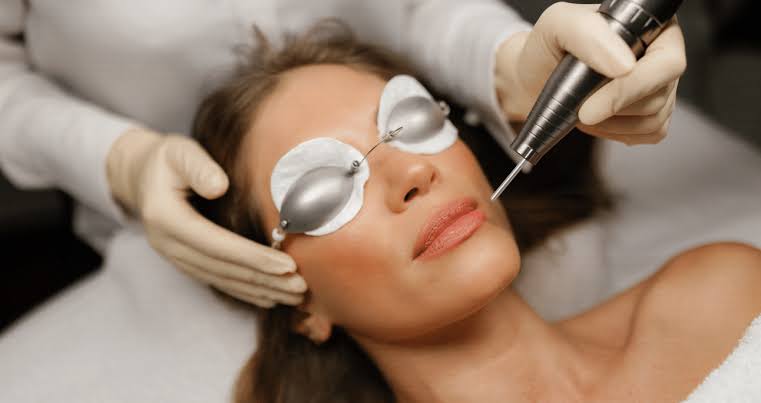
Acne marks and dark spots can affect the appearance of the skin and make the complexion look uneven. Even after pimples disappear, they may leave behind brown, red, or dark marks that take time to fade. Many people try creams and home remedies, but these options do not always provide the results they want. In such cases, professional skin treatments may be worth considering.
Laser treatment for pigmentation is one option used to improve certain types of dark spots and uneven skin tone. It works by targeting specific pigments in the skin or helping improve the appearance of damaged skin, depending on the laser technology used. However, not every acne mark responds in the same way, and the right treatment depends on the person’s skin type and the cause of the pigmentation.
At Biolite Clinic, understanding the cause of pigmentation is an important step in choosing a suitable treatment plan. This article explains how laser treatments work on acne marks, what results to expect, and how to care for your skin after treatment.
Understanding Pigmentation and Acne Marks
Pigmentation refers to areas of skin that appear darker than the surrounding skin. It often develops when the skin produces excess melanin, the natural pigment responsible for skin colour.
Acne can trigger inflammation, which may lead to dark marks after a pimple heals. This condition is commonly known as post-inflammatory hyperpigmentation (PIH). It is especially noticeable in people with medium to darker skin tones.
Acne marks generally fall into three categories:
Dark Brown or Black Marks
These marks develop when inflammation causes excess melanin production. They may remain visible for several months, particularly if the skin is exposed to sunlight without adequate protection.
Red or Pink Marks
Red or pink marks usually relate to changes in small blood vessels and inflammation rather than excess melanin. Pigment-targeting lasers may not be the most appropriate option for these marks.
Acne Scars
Acne scars can appear as small depressions, uneven skin texture, or raised areas. Unlike flat dark marks, scars involve structural changes in the skin and may require a different treatment approach.
Identifying the type of mark is essential before choosing pigmentation treatment at Biolite Clinic or another qualified skin care provider.
How Does Laser Treatment for Pigmentation Work?
Laser treatment for pigmentation uses concentrated light energy to target unwanted pigment or specific structures within the skin. Different laser technologies work in different ways, so the choice depends on the type of pigmentation, skin tone, and treatment goals.
Some lasers break down excess pigment into smaller particles that the body gradually clears. Other devices help improve skin texture by stimulating the skin’s natural repair process.
Targeting Excess Melanin
Certain pigment-targeting lasers are designed to focus on areas containing excess melanin. They may help reduce the appearance of selected brown or dark acne marks while leaving much of the surrounding skin unaffected.
The response depends on the depth of the pigment, the type of laser used, and the individual’s skin characteristics.
Supporting Skin Renewal
Some laser procedures encourage controlled skin renewal and collagen production. These treatments may be considered when acne marks appear alongside uneven texture or certain types of acne scarring.
However, not all lasers are suitable for every skin concern. A qualified practitioner should determine whether pigment-targeting treatment, fractional laser resurfacing, topical products, or another option is more appropriate.
Does Laser Treatment Work on Acne Marks?
Laser treatment can improve some acne-related dark marks, but the results vary from person to person. Flat brown marks caused by excess melanin may respond better to pigment-targeting treatments than marks caused mainly by redness or changes in skin texture.
The treatment is not an instant solution. Some people notice gradual improvement after a session, while others need several treatments or a combination of therapies.
Factors That Affect Results
Several factors influence how well laser treatment works:
- Type of pigmentation: Superficial brown marks may respond differently from deeper pigmentation.
- Skin tone: Medium and darker skin tones may have a higher risk of developing additional pigmentation after certain laser procedures.
- Treatment technology: Different lasers target different skin concerns.
- Acne activity: New breakouts can create additional marks and affect long-term results.
- Sun exposure: Ultraviolet exposure may darken existing marks and contribute to new pigmentation.
- Aftercare: Following professional instructions helps support healing and reduce avoidable irritation.
At Biolite Clinic, a personalised assessment can help determine whether laser treatment is suitable for the type of acne marks you want to improve.
Who Is a Suitable Candidate for Laser Pigmentation Treatment?
Laser treatment may be suitable for people who have persistent dark marks after acne and want to improve uneven skin tone. It may also be considered for certain types of sun-related spots and other forms of pigmentation, depending on the device and clinical assessment.
A consultation is especially important for people with darker skin, sensitive skin, active acne, or a history of pigmentation following inflammation.
When Laser Treatment May Not Be the First Choice
Laser treatment may not be recommended immediately if the skin is irritated, infected, or experiencing uncontrolled acne. Treating active breakouts and reducing inflammation may be necessary before addressing the marks they leave behind.
Pregnancy, certain medications, recent tanning, and a history of abnormal scarring may also affect treatment decisions. These factors should be discussed with the practitioner before a procedure.
A skin assessment helps establish realistic expectations and identify alternatives when laser treatment is not the safest option.
What Happens During a Laser Pigmentation Session?
The exact process depends on the technology being used, but a typical appointment includes a skin assessment, preparation, treatment, and aftercare instructions.
Skin Assessment and Preparation
The practitioner examines the pigmentation, reviews your medical and skin care history, and determines whether the marks are suitable for laser treatment. You may be advised to avoid tanning and certain irritating products before your appointment.
A test spot may be appropriate in some cases, particularly when the risk of post-treatment pigmentation needs careful consideration.
During the Procedure
The skin is cleansed, and protective eyewear is provided. The practitioner then applies the selected laser to the treatment area. You may feel brief warmth, tingling, or a snapping sensation, depending on the device.
The duration depends on the size of the area and the type of treatment being performed.
After the Session
Mild redness, swelling, sensitivity, or temporary darkening of treated spots may occur. Some procedures produce light crusting or peeling. These effects vary according to the laser used and the individual’s skin.
Following the recommended aftercare routine is important for comfortable healing.
How Many Laser Sessions Are Needed for Acne Marks?
There is no single number of sessions that works for everyone. Some people may need only a small number of treatments, while others require several sessions spaced weeks apart.
The number depends on the depth and amount of pigmentation, the skin’s response, and whether other concerns, such as acne scars, are also present.
Why Multiple Sessions May Be Necessary
Pigment often fades gradually rather than disappearing immediately. Spacing sessions appropriately allows the skin to recover and helps the practitioner evaluate progress before recommending further treatment.
Repeated procedures are not always necessary or beneficial. If the skin develops irritation or additional pigmentation, the treatment plan may need to be adjusted.
When Will You See Results?
Results may develop over several weeks or months. The timeline depends on the treatment method, the skin’s natural healing process, and the cause of the pigmentation.
It is important to understand that laser treatment can improve the appearance of acne marks but cannot guarantee completely clear or perfectly even skin.
Laser Treatment for Pigmentation Cost in Dubai
The cost of pigmentation treatment depends on several factors, including the treatment area, the type of laser used, the severity of pigmentation, and the number of sessions required.
What Influences the Treatment Cost?
The following factors may affect the overall price:
- The type of laser technology selected.
- The size of the area being treated.
- The number of recommended sessions.
- The experience and qualifications of the practitioner.
- Whether additional skin treatments are needed.
- The consultation and follow-up arrangements.
A personalised consultation at Biolite Clinic can help you understand which options may be appropriate for your skin and what the proposed treatment plan includes.
When comparing prices, consider the suitability of the procedure, safety standards, practitioner qualifications, and aftercare support rather than choosing a treatment based on cost alone.
Can Laser Treatment Cause More Pigmentation?
Although laser treatment can improve dark marks, it can sometimes cause temporary or prolonged pigmentation, especially when the skin is exposed to excessive heat or inflammation.
This risk is particularly important for people with darker skin tones, who may be more prone to post-inflammatory hyperpigmentation after certain procedures.
How to Reduce the Risk
Choose a qualified practitioner who understands your skin type and has experience treating pigmentation. The laser settings should be selected carefully, and a test spot may be considered when appropriate.
Avoid tanning before and after treatment, follow all aftercare instructions, and report unusual discomfort or worsening pigmentation to your practitioner.
Do not use harsh exfoliants, strong acids, or unapproved lightening products on healing skin. These products can increase irritation and delay recovery.
Essential Aftercare Following Laser Treatment
Aftercare is a major part of achieving a good outcome. Even an appropriate treatment may produce disappointing results if the skin is irritated during recovery.
Use Sunscreen Every Day
Apply a broad-spectrum sunscreen with SPF 30 or higher, following your practitioner’s advice. Reapply it as directed, especially when spending time outdoors.
Sun protection helps prevent existing dark marks from becoming more noticeable and reduces the risk of new pigmentation.
Keep Your Skin Care Routine Gentle
Use a mild cleanser and a suitable moisturiser. Avoid picking, scratching, or peeling treated areas, even if the skin develops light crusting.
Wait until your skin has recovered before restarting exfoliating acids, retinoids, or other potentially irritating products. Follow the timeline provided by your practitioner.
Avoid Unnecessary Irritation
Hot environments, vigorous scrubbing, and intense skin treatments may be unsuitable during the early recovery period. Your practitioner can advise when normal activities and skin care products can be resumed.
Contact your treatment provider if you experience severe pain, blistering, increasing swelling, or signs of infection.
Can You Combine Laser Treatment With Other Pigmentation Treatments?
In some cases, combining treatments can help address different causes of uneven skin tone. However, combining procedures does not automatically improve results and may increase irritation if treatments are performed too close together.
Topical Skin Care Products
A practitioner may recommend ingredients such as azelaic acid, retinoids, or other pigment-reducing products when suitable. These products can support the management of dark marks, but their suitability depends on your skin and medical history.
Chemical Peels
Selected chemical peels may help improve superficial pigmentation. They need to be chosen carefully, especially for people prone to post-inflammatory hyperpigmentation.
Acne Management
Preventing new breakouts is important because each episode of inflammation may leave additional marks. A treatment plan that manages both active acne and existing pigmentation may provide more sustainable improvement.
At Biolite Clinic, the most appropriate combination depends on the condition of your skin and your treatment goals.
Is Lip Pigmentation Treatment the Same as Acne Mark Treatment?
Lip pigmentation treatment is a separate concern from treating acne marks on the face. Dark lips may be associated with genetics, sun exposure, irritation, certain products, smoking, or other underlying factors.
The skin of the lips is delicate, so facial pigmentation lasers should not automatically be used on the lip area. Treatment requires a specific assessment of the cause of the colour change and the safety of the proposed procedure.
Choosing the Right Approach for Lip Pigmentation
Depending on the cause, care may include sun protection for the lips, avoiding irritating products, or seeking medical evaluation when pigmentation is new or changing.
A qualified practitioner should assess whether a procedure is appropriate and explain its potential risks. New, irregular, bleeding, or rapidly changing dark spots on the lips should be medically evaluated before cosmetic treatment.
Understanding the difference between facial acne marks and lip pigmentation helps ensure that the treatment is selected for the correct concern.
Why Choose Biolite Clinic for Pigmentation Concerns?
Choosing a clinic for skin treatment involves more than selecting a popular procedure. It is important to understand your skin condition, review suitable treatment options, and receive clear information about possible outcomes.
At Biolite Clinic, patients can discuss their pigmentation concerns, treatment goals, and skin care history during a consultation. A personalised approach helps determine whether laser treatment or another option is more suitable.
A Personalised Treatment Plan
Every person’s skin is different. The depth of pigmentation, skin tone, previous treatments, and tendency to develop dark marks can all influence the recommended approach.
A suitable plan should explain the expected benefits, possible side effects, number of sessions, recovery requirements, and the need for maintenance.
Realistic Expectations and Skin Care Guidance
The aim of treatment is to improve the appearance of the skin safely. Results may be gradual, and some marks may not disappear completely. Proper sun protection and acne management remain important even after successful treatment.
Discussing these factors before starting treatment helps you make an informed decision.
Conclusion
Laser treatment can be an effective option for certain types of dark acne marks, particularly when excess melanin is responsible for the uneven skin tone. However, the results depend on the type of pigmentation, skin tone, selected technology, and aftercare.
Professional assessment is essential because brown marks, red marks, and acne scars do not all respond to the same treatment. The risk of additional pigmentation should also be considered, particularly for people with darker skin.
If you are considering laser treatment for pigmentation, a consultation at Biolite Clinic can help you understand your options and develop a plan suited to your skin. Whether your concern is acne marks, uneven facial pigmentation, or lip pigmentation treatment, choosing an appropriate approach and following professional guidance can support healthier-looking skin over time.