Introduction
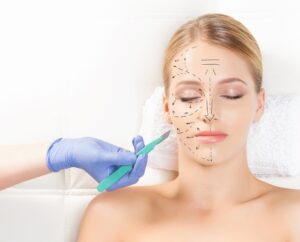
Facial aesthetic surgery is a group of cosmetic surgical procedures designed to improve facial appearance, restore youthful features, correct facial asymmetry, and enhance natural facial proportions. These procedures focus on areas such as the nose, eyes, cheeks, jawline, chin, and facial skin.
With advances in modern plastic surgery techniques, facial aesthetic procedures can provide natural-looking results while preserving facial expressions and individuality. However, choosing the right procedure requires careful evaluation by a qualified plastic surgeon, realistic expectations, and proper medical preparation.
This comprehensive guide explains different types of facial aesthetic surgery, their benefits, risks, preparation steps, laboratory tests, recovery process, and when to consult a plastic surgeon.
What Is Facial Aesthetic Surgery?
Facial aesthetic surgery refers to surgical procedures performed to improve or enhance facial features for cosmetic reasons. Unlike reconstructive surgery, which focuses on repairing injuries, birth defects, or medical conditions, aesthetic surgery primarily aims to improve appearance and facial harmony.
Common goals include:
- Reducing signs of aging
- Improving facial symmetry
- Reshaping facial features
- Enhancing facial contours
- Restoring lost volume
- Correcting features a patient feels dissatisfied with
Facial aesthetic surgery should always be customized according to the patient’s facial structure, skin quality, medical history, and desired outcomes.
Common Facial Aesthetic Surgery Procedures
- Rhinoplasty (Nose Surgery)
Rhinoplasty is one of the most popular facial aesthetic procedures. It reshapes the nose to improve appearance and, in some cases, breathing function.
It may address:
- Nose size
- Nasal bridge shape
- Nose tip appearance
- Nasal asymmetry
- Deviated structures affecting breathing
A detailed facial and nasal evaluation is important before surgery to create a balanced result.
- Facelift (Rhytidectomy)
A facelift is designed to reduce visible signs of facial aging by tightening loose skin and improving deeper facial tissues.
It may help with:
- Sagging cheeks
- Loose jawline skin
- Deep facial folds
- Loss of facial definition
A facelift does not stop aging but can create a more refreshed and youthful appearance.
- Blepharoplasty (Eyelid Surgery)
Blepharoplasty improves the appearance of the upper and/or lower eyelids.
It can treat:
- Drooping upper eyelids
- Under-eye bags
- Excess eyelid skin
- Tired-looking eyes
Some patients undergo eyelid surgery for both cosmetic and functional reasons when excess skin affects vision.
- Brow Lift
A brow lift raises and reshapes the forehead and eyebrow area.
It may improve:
- Drooping eyebrows
- Forehead wrinkles
- Frown lines
- Tired facial expressions
- Neck Lift
A neck lift improves loose skin and muscle laxity around the neck and jawline.
It can help reduce:
- Double chin appearance
- Loose neck skin
- Neck wrinkles
- Poor jawline definition
- Chin and Jawline Surgery
Chin augmentation or jawline procedures improve facial balance by modifying chin size, projection, or contour.
These procedures may help patients with:
- Weak chin appearance
- Facial imbalance
- Receding chin
- Lack of jawline definition
- Fat Transfer to the Face
Facial fat transfer uses the patient’s own fat from another body area to restore facial volume.
Common treatment areas include:
- Cheeks
- Under-eye area
- Temples
- Lips
Benefits include a more natural feel because the procedure uses the patient’s own tissue.
Benefits of Facial Aesthetic Surgery
- Improved Facial Harmony
Facial surgery can enhance balance between different facial features, creating a more proportional appearance.
- Youthful Appearance
Procedures such as facelifts and eyelid surgery can reduce visible signs of aging.
- Increased Confidence
Many patients report improved self-confidence after achieving their desired appearance.
- Long-Lasting Results
Unlike temporary cosmetic treatments, many surgical procedures provide results that can last several years.
- Correction of Functional Problems
Some facial procedures may also improve function.
Examples:
- Rhinoplasty improving nasal breathing
- Eyelid surgery improving vision obstruction caused by excess skin
Who Is a Good Candidate for Facial Aesthetic Surgery?
A good candidate usually:
- Is physically healthy
- Has realistic expectations
- Understands potential risks
- Does not smoke or is willing to stop before surgery
- Has a clear reason for choosing surgery
Patients should discuss:
- Medical conditions
- Current medications
- Previous surgeries
- Allergies
- Desired results
with their plastic surgeon before deciding on a procedure.
Consultation Before Facial Surgery
The consultation is one of the most important steps.
During consultation, a plastic surgeon may:
- Examine facial structure
- Evaluate skin quality
- Discuss surgical options
- Explain expected results
- Review risks and recovery
- Take photographs for planning
The goal is to create a personalized treatment plan based on the patient’s anatomy and expectations.
Laboratory Tests Before Facial Aesthetic Surgery
Before surgery, doctors may recommend laboratory tests to evaluate overall health and reduce possible surgical risks. Required tests depend on the procedure, anesthesia type, age, and medical history.
- Complete Blood Count (CBC)
A CBC evaluates:
- Hemoglobin levels
- Red blood cells
- White blood cells
- Platelets
It helps identify anemia, infection, or blood-related concerns before surgery.
- Blood Clotting Tests
These tests evaluate how well blood forms clots.
Common tests include:
- PT (Prothrombin Time)
- INR (International Normalized Ratio)
- PTT (Partial Thromboplastin Time)
Abnormal clotting results may increase bleeding risks during surgery.
- Basic Metabolic Panel (BMP)
This test evaluates:
- Electrolytes
- Kidney function
- Blood glucose levels
It helps doctors assess whether the body is prepared for anesthesia and recovery.
- Liver Function Tests (LFTs)
These tests check liver health through markers such as:
- ALT
- AST
- Bilirubin
The liver plays an important role in medication metabolism.
- Blood Sugar Testing
Doctors may recommend:
- Fasting blood glucose
- HbA1c
Poorly controlled diabetes can affect wound healing and increase infection risks.
- Pregnancy Test
A pregnancy test may be required for women of reproductive age before elective surgery.
- ECG (Electrocardiogram)
An ECG may be recommended depending on:
- Age
- Heart history
- Type of surgery
- Anesthesia requirements
- Additional Tests When Needed
Depending on the patient’s condition, doctors may request:
- Chest X-ray
- Medical clearance
- Allergy testing
- Imaging studies
Routine testing is personalized according to individual risk factors rather than being identical for every patient.
Risks and Possible Complications of Facial Aesthetic Surgery
Although many procedures are performed safely, facial surgery carries potential risks.
General Surgical Risks
Possible complications include:
- Infection
- Bleeding
- Scarring
- Blood clots
- Reaction to anesthesia
Procedure-Specific Risks
Rhinoplasty Risks
- Breathing problems
- Asymmetry
- Need for revision surgery
Facelift Risks
- Temporary numbness
- Facial nerve irritation
- Skin healing problems
Eyelid Surgery Risks
- Dry eyes
- Temporary swelling
- Eyelid position changes
Fat Transfer Risks
- Uneven fat absorption
- Infection
- Irregular contour
Choosing an experienced, qualified plastic surgeon helps reduce risks.
Preparing for Facial Aesthetic Surgery
Before surgery, patients may be advised to:
Stop Smoking
Smoking can reduce blood flow and delay healing.
Review Medications
Some medications and supplements may increase bleeding risk and may need adjustment under medical guidance.
Maintain Healthy Nutrition
Adequate protein, vitamins, and hydration support recovery.
Arrange Recovery Support
Patients should arrange transportation and assistance during the initial recovery period.
Recovery After Facial Aesthetic Surgery
Recovery depends on the procedure performed.
First Few Days
Patients may experience:
- Swelling
- Bruising
- Mild discomfort
- Tightness around treated areas
First Few Weeks
During recovery:
- Swelling gradually decreases
- Incisions begin healing
- Normal activities slowly resume
Patients should follow all postoperative instructions from their surgeon.
Long-Term Recovery
Final results may take several months as:
- Swelling continues to improve
- Tissues settle
- Scars mature
Regular follow-up appointments help monitor healing.
Tips for Better Recovery
Patients can support healing by:
- Following surgeon instructions
- Keeping incision areas clean
- Avoiding strenuous activity initially
- Protecting skin from excessive sun exposure
- Maintaining hydration and nutrition
- Attending follow-up visits
Choosing the Right Plastic Surgeon
Before undergoing facial aesthetic surgery, consider:
- Board certification
- Surgical experience
- Before-and-after results
- Patient reviews
- Communication style
- Understanding of your goals
A skilled plastic surgeon should focus on natural results rather than creating an artificial appearance.
Book an Online Consultation With a Plastic Surgeon Through Instacare
If you are considering facial aesthetic surgery and want professional guidance, consulting an experienced plastic surgeon is the first step.
Through Instacare, you can book an online consultation with qualified plastic surgeons who can evaluate your concerns, discuss suitable procedures, explain risks, recommend necessary laboratory tests, and guide you through your surgical journey.
Schedule your online consultation with a trusted plastic surgeon through Instacare today and take the first step toward informed facial aesthetic care.
Frequently Asked Questions (FAQs)
What is facial aesthetic surgery?
Facial aesthetic surgery includes cosmetic procedures designed to improve facial appearance, symmetry, and age-related changes.
Which facial surgery is most common?
Rhinoplasty, facelift, and eyelid surgery are among the most commonly performed facial aesthetic procedures.
Are facial aesthetic surgery results permanent?
Many procedures provide long-lasting results, but natural aging continues over time.
What tests are required before facial surgery?
Common tests may include CBC, blood clotting tests, metabolic panel, glucose testing, and other evaluations depending on health status.
How long does recovery take after facial aesthetic surgery?
Recovery varies by procedure, but swelling and healing may continue for several weeks to months.