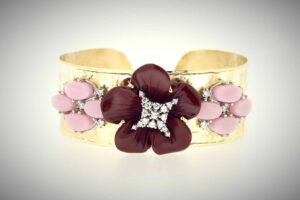
Metal finishing plays an important role in improving the appearance, durability, and value of different metal products. From jewellery and decorative accessories to industrial components and architectural details, a quality finish can make a significant difference. Gold plating in UAE is a popular metal finishing solution for businesses and individuals looking to achieve an attractive golden appearance without using solid gold throughout the entire product.
Gold plating involves applying a thin layer of gold over the surface of another material. This process enhances the visual appeal of metal objects while providing additional surface protection. With different plating techniques and finishing options available, customers can choose a solution according to their product requirements, budget, and desired appearance.
What Is Gold Plating?
Gold plating is a metal finishing process in which a thin layer of gold is deposited onto the surface of another material. Common base materials include copper, brass, silver, and certain other metals.
The process is generally carried out through electroplating, where an electrical current helps deposit gold from a specialised plating solution onto the prepared surface.
The thickness and quality of the gold layer depend on the intended application. Decorative products may require different plating specifications compared with electrical components or frequently handled items.
This technique allows manufacturers to achieve a premium golden appearance while using less gold than solid gold construction.
Benefits of Gold Plating for Different Applications
Gold plating offers several advantages that make it useful across decorative, commercial, and industrial applications.
Attractive Golden Appearance
One of the main reasons people choose gold plating is its elegant appearance. A professionally applied gold finish can give ordinary metal objects a luxurious and sophisticated look.
It is commonly used for jewellery, decorative accessories, furniture hardware, and architectural elements.
Improved Surface Protection
Gold is known for its resistance to corrosion and tarnishing under many conditions. When correctly applied over a suitable base material, it can provide useful surface protection.
However, the performance depends on plating thickness, surface preparation, and the environment in which the finished product is used.
Cost-Effective Finishing Solution
Using solid gold for every decorative or functional component can be expensive. Plating provides an alternative by applying a relatively thin layer of gold over a more affordable base material.
This allows manufacturers to achieve a golden finish while managing material costs.
Versatile Finishing Options
Different gold shades and surface appearances can be achieved depending on the plating process and finishing requirements.
Options may include bright gold, satin gold, and other decorative appearances suitable for different products.
How Does the Gold Plating Process Work?
Achieving a smooth and consistent finish requires careful preparation and professional application.
Surface Cleaning
The first step involves removing dirt, oil, grease, and other contaminants from the metal surface. Proper cleaning helps ensure that the gold layer adheres correctly.
Surface Preparation
The base material may undergo polishing, chemical treatment, or an appropriate undercoating process. This creates a suitable surface for plating.
Electroplating
During electroplating, the prepared component is placed in a specialised solution containing gold. An electrical current helps deposit a controlled layer of gold onto the surface.
The process is adjusted according to the required finish and application.
Final Inspection
After plating, the finished component is inspected for surface consistency, colour, adhesion, and overall quality.
Professional inspection helps identify imperfections and ensures that the finished product meets the required specifications.
Applications of Gold Plating in UAE
Gold plating is used in several industries because of its decorative appearance and useful material properties.
Jewellery and Accessories
Jewellery manufacturers use gold plating to create attractive finishes on rings, bracelets, necklaces, earrings, and other accessories. It provides a golden appearance at a lower material cost than solid gold.
Interior Decoration
Gold-plated decorative components can add an elegant appearance to furniture fittings, lighting fixtures, handles, and interior design elements.
Automotive Components
Certain automotive accessories and decorative metal components may use gold-coloured or genuine gold-plated finishes to achieve a distinctive appearance.
Electronics and Electrical Components
Gold is also used in specialised electronic applications because of its excellent electrical conductivity and resistance to oxidation. Connectors and contact surfaces may require carefully controlled gold plating according to their technical specifications.
Commercial and Architectural Products
Businesses can use gold-plated finishes for decorative fittings, display items, signage details, and selected architectural components.
Why Choose Professional Gold Plating Services in UAE?
The quality of the final finish depends heavily on surface preparation, plating technique, and process control. Professional services can help customers achieve more consistent results.
When considering Gold plating in UAE, it is important to choose a provider with suitable technical experience, modern equipment, and an understanding of different metal types.
A professional service should be able to explain the available gold shades, plating thickness, base material compatibility, and expected durability.
It is also useful to request samples or inspect previous finishing work before selecting a service provider.
Factors to Consider Before Choosing a Gold Plating Service
Before sending metal products for finishing, consider the following factors:
-
Material compatibility: Confirm that the base metal is suitable for the selected plating process.
-
Plating thickness: Choose a suitable thickness according to the product’s intended use.
-
Surface preparation: Ensure that cleaning and polishing are included where required.
-
Finish quality: Discuss the desired colour, shine, and overall appearance.
-
Durability: Ask about wear resistance and maintenance requirements.
-
Technical expertise: Choose experienced professionals familiar with your product type.
-
Quality inspection: Check whether the finished components undergo proper inspection.
These considerations can help you make an informed decision and avoid unnecessary finishing problems.
Maintaining Gold-Plated Products
Proper maintenance can help preserve the appearance of gold-plated items.
Clean finished products using a soft cloth and avoid abrasive materials that may damage the thin gold layer. Keep decorative accessories away from harsh chemicals and unnecessary friction.
For industrial components, follow the manufacturer’s cleaning and maintenance recommendations.
It is also important to understand that gold plating can wear over time, especially on frequently handled surfaces. Replating may be required depending on the thickness and usage conditions.
Conclusion
Gold plating is an effective metal finishing solution for improving the appearance and functionality of different metal products. From jewellery and decorative accessories to specialised electronic components, it offers versatility across multiple industries.
Choosing professional Gold plating in UAE services can help ensure better surface preparation, consistent finishing, and suitable plating quality. By considering material compatibility, plating thickness, technical expertise, and maintenance requirements, customers can select a finishing solution that meets their expectations and provides lasting value.