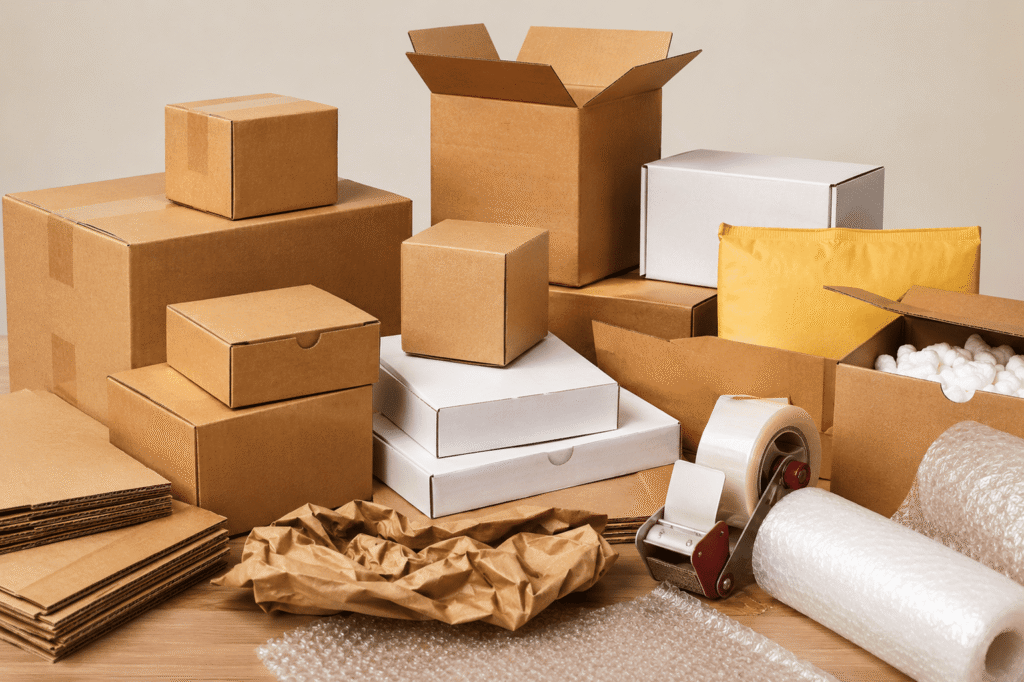
Walk into any warehouse, and you will quickly notice one thing: there are boxes everywhere, but they are not all the same. Some are small enough for a few accessories, some are built for heavier products, and others are made specifically for sending orders through the post.
That is because different products need different packaging. A small online order does not need a giant carton, just as a heavy product should not be squeezed into a lightweight box.
So, which packaging box should you actually use? It comes down to what you sell, how you send it and how much protection the product needs.
What Are Packaging Boxes Used For?
At the most basic level, packaging boxes hold products while they are stored, moved or delivered. Cardboard is one of the most common materials because it is practical, easy to handle and available in different strengths.
But choosing a box is not simply about finding something that fits.
Imagine packing a glass item into a box that is much too large. You will probably need extra protective material to stop it moving around. Now imagine doing that for 100 orders. Suddenly, the wrong box becomes a daily nuisance.
The same applies to heavier products. A lightweight carton may look fine when you first pack it, but it needs to cope with lifting, stacking and delivery too.
Start with these points
- What are you putting inside?
- How heavy is it?
- Does it need extra protection?
- How far is it travelling?
- How quickly does your team need to pack it?
- Are there postal size limits to consider?
Which Packaging Box Is Right for Your Retail Business?
There is no reason for every retailer to use the same type of box. Your product range should have the biggest say in your choice.
| Retailer or Product | Suitable Box | Why? |
| Clothing and fashion | E-commerce boxes | Handy for regular online orders |
| Books and smaller items | Parcel Boxes | A good fit for postal deliveries |
| Everyday retail goods | Cardboard Boxes | Available in various sizes and strengths |
| Gifts and smaller premium items | PayPal Boxes | White finish gives a clean appearance |
| Heavy homeware | Double-wall boxes | Better suited to heavier contents |
| Books and flat items | Book wraps | Designed to fit closely around the product |
| Hanging clothing | Wardrobe boxes | Keeps garments together during transit |
Cardboard boxes for everyday orders
For many retailers, cardboard boxes are the starting point. They come in different sizes and constructions, so you can choose something that suits the product rather than forcing every order into the same carton.
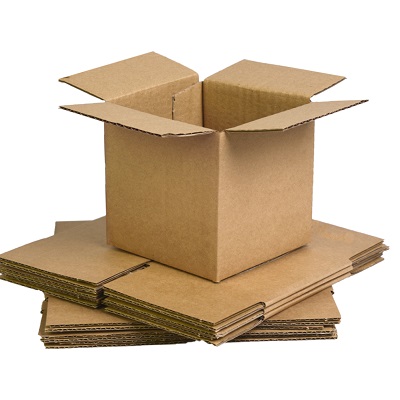
Single-wall boxes are useful for plenty of everyday products. If the contents are heavier or the parcel needs more support, double-wall packaging is worth considering.
For example, a homeware shop might use one type for cushions and accessories and another for heavier kitchen products.
Parcel boxes for smaller deliveries
If your orders are mostly small, there is little benefit in using a large carton every time. Parcel boxes are made for compact deliveries and can make packing much less fiddly.

They are useful for books, accessories, small household products and similar items.
A closer fit also means there is less space to deal with inside the parcel.
E-commerce boxes for online orders
Running an online shop usually means packing orders quickly. When the orders start piling up, a box that takes ages to assemble is not particularly helpful.
That is where E-commerce boxes come in. Crash-lock styles, for example, can be assembled quickly without much folding and taping.
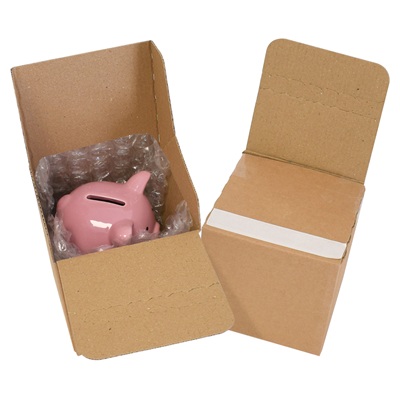
A small gift business may only send a few orders each day, while a busy fashion retailer could be sending hundreds. Both can benefit from having a box that is quick and straightforward to use.
PayPal boxes for a cleaner presentation
Sometimes the parcel itself matters. If you sell gifts, accessories, or other small products, you may want something that looks presentable and gets the job done.
PayPal Boxes have a white finish and are available in different sizes. They can give smaller parcels a cleaner appearance without making the packaging unnecessarily complicated.
Stronger boxes for heavier products
Not every product can go into a standard carton. Heavy homeware, larger products and goods that will be stacked during storage may need something stronger.
Double-wall cardboard boxes have two layers of corrugated material, giving them additional strength compared with single-wall construction.
What Other Types of Packaging Boxes Are Available?
Your packaging cupboard does not have to contain only one box size. Depending on what you sell, you might find several styles useful.
Some common choices
- Single-wall boxes for everyday products
- Double-wall boxes for heavier goods
- Large-letter and small-parcel boxes for postal orders
- White postal boxes for a cleaner presentation
- Crash-lock boxes for quick packing
- Book wraps for books and flat products
- FBA boxes for Amazon sellers
- Wardrobe boxes for hanging clothes
- Specialist boxes for long products such as umbrellas and golf clubs
You do not necessarily need all of them. The useful ones are the ones that match the products you actually send.
How Does the Right Box Make Packing Easier?
Packaging can become a surprisingly big part of a retailer’s daily routine. If your team packs 20 orders a day, small inconveniences might not matter much. At 200 orders, they certainly do.
A box that opens and closes easily saves time. A box that fits the product properly reduces the amount of filling needed. Having commonly used sizes within easy reach also keeps the packing area from becoming chaotic.
Practical benefits
- Less time spent assembling boxes
- Fewer oversized parcels
- Less wasted space inside cartons
- Easier storage of packaging stock
- Better protection during delivery
- A tidier-looking parcel
How Do You Choose the Right Box?
Start by looking at your products, not at the packaging catalogue.
Measure the products you send regularly and note their weight. If you use bubble wrap, paper or another protective material, remember to allow room for that too.
Then think about delivery. A retailer using postal services may need a particular parcel format. An online business sending larger orders may find e-commerce boxes more convenient.
Your sales pattern matters as well. If you send the same product every day, it makes sense to keep its most suitable box readily available. For products that sell only occasionally, there is no need to fill your storage area with packaging you rarely use.
Conclusion
Choosing packaging boxes does not have to be complicated. Start with the product, think about how it will travel and consider how your team actually packs orders.
A clothing retailer, a bookshop, and a homeware business will naturally have different requirements. That is perfectly normal. The aim is not to find one box that works for everything. It is to have packaging that makes sense for the products you sell and the way your business operates.
FAQs
- What are packaging boxes used for?
Packaging boxes are used to hold, protect, store and transport products during handling and delivery.
- Which packaging boxes are suitable for online orders?
E-commerce boxes and parcel boxes are commonly used for online orders. The best choice depends on the product’s size, weight and delivery method.
- Are double-wall boxes stronger?
Yes. Double-wall boxes generally provide more strength than single-wall boxes, making them useful for heavier products and demanding shipments.
- Why should a box fit the product?
A suitable fit can reduce unnecessary space and make it easier to keep the product secure during delivery.
- Should a retailer use more than one box type?
Usually, yes. Different products often need different sizes or levels of protection, so having a small selection can make everyday packing easier.


